
Strapping Machines & Hand Tools: How to Choose
Manual, pneumatic, battery or automatic? Compare strapping tools and machines for steel, polypropylene and polyester strapping to find your best fit.
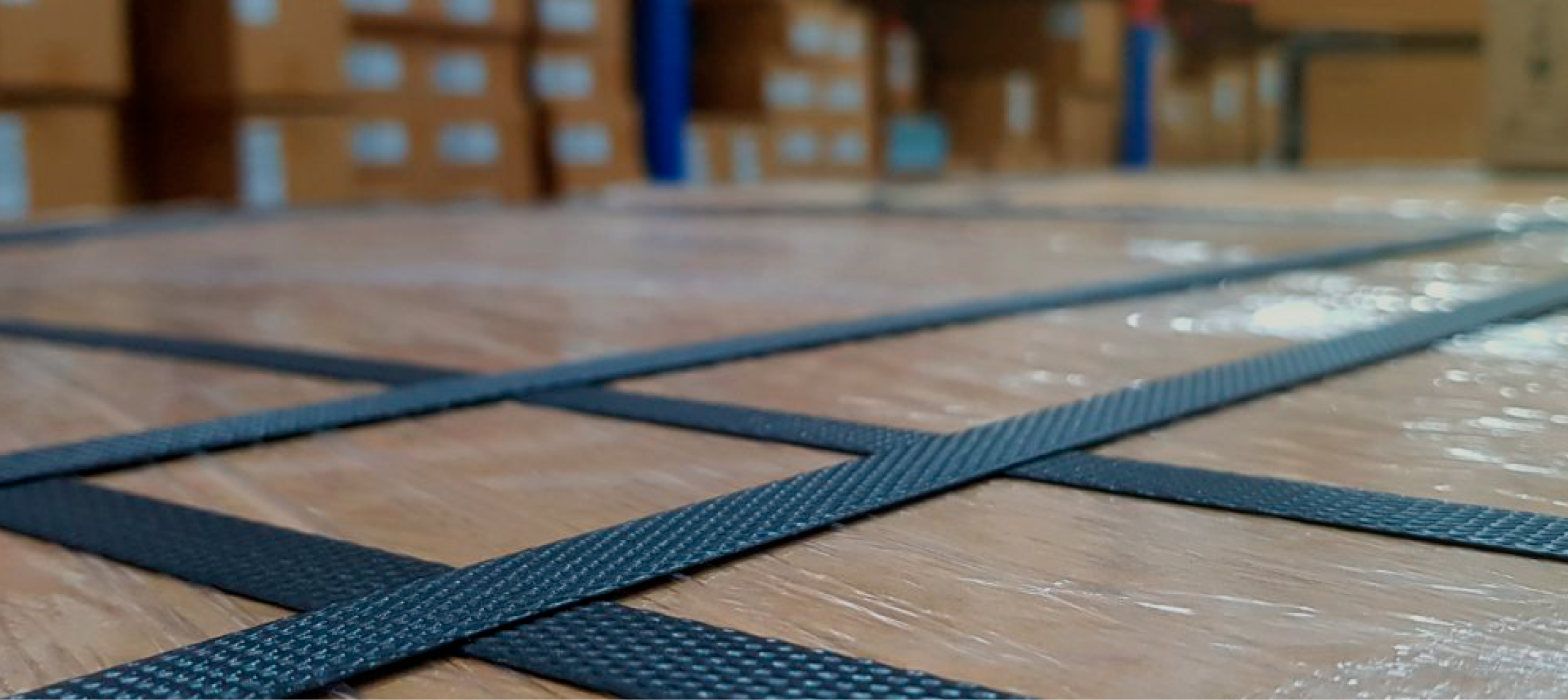
Strapping Machines and Hand Tools: How to Choose the Right Equipment
Every warehouse has two moods: smooth operations and why is this pallet shaped like modern art? Strapping is one of the most effective solutions for securing products, stabilizing pallet loads, and minimizing movement during shipping. To get the most out of your strapping system, it's crucial to use the appropriate hand tool or strapping machine for your application. That is why Whitebird partners with industry-leading strapping equipment manufacturers, providing reliable solutions backed by our support and expertise. With a wide range of options available, we're happy to help you find the best fit. This guide will break down the four main categories of strapping tools, including how they work, their benefits, limitations, and where they fit in your operation.

How the Right Strapping Tool Impacts Your Operation
The strapping tool you choose has a direct impact on speed, consistency, and cost, and it's important to note that there is no universal solution. The best solution for you will depend on factors such as shipment volume, load requirements, application environment, and the type of strapping material being used. Each tool offers its own set of advantages and limitations. Understanding the differences can help you invest in strapping equipment that improves efficiency without adding unnecessary complexity.
Manual Combination Tools
Best for: Low-to-medium volume operations, versatile applications.
Where it fits: Workplaces with occasional strapping tasks or field environments where load sizes and shapes vary significantly and tool portability is essential.
- How it works: The operator wraps the strapping material around the load, overlaps the strap ends, and feeds them into the tool. The strap is manually tensioned to the desired tightness and sealed using a metal seal or seal-less mechanism. The tool cuts off the remaining excess strap.
- Limitations: Tensioning is performed manually, so output is limited by the operator's skill and productivity.
Manual combination strapping tools offer a low initial cost compared to automated equipment, require minimal setup and training, and are easy to maintain. They work with both polyester and steel strapping, are portable, and do not require an external power source to operate.

Pneumatic Strapping Tools
Best for: Medium-to-high volume operations with access to compressed air.
Where it fits: Fixed strapping stations in manufacturing plants, lumber yards, building materials facilities, or any setting with consistent load sizes where speed and joint strength are essential.
- How it works: Pneumatic tools use compressed air to automate the tensioning and sealing process. The operator first inserts the overlapping ends of the strap into the tool and activates it using a trigger or button. Compressed air is directed to a pneumatic motor or piston to drive the system. The tool seals the overlapping ends once the desired tension is reached and then automatically cuts off the excess strap.
- Limitations: Pneumatic strapping tools require regular maintenance and access to compressed-air infrastructure. The attached air hoses can limit operator mobility and portability.
Faster, stronger, and more consistent tension and sealing combined with less operator fatigue. Pneumatic strapping tools can be used with polyester or steel strapping and are suitable for heavy-duty applications.
Battery-Operated Strapping Tools
Best for: Medium to high-volume operations that require tool portability.
Where it fits: Outdoor environments, multi-area facilities, or anywhere packaging isn't fixed to a specific location.
- How it works: Battery-operated strapping tools can give you the performance of a pneumatic, without the cord. To secure the load, the operator overlaps the strapping material and feeds it into the tool. The strap is gripped by rollers inside the tool, and an internal motor drives the tensioning wheel, tightening the strap. The operator can usually adjust the tension level using buttons or a dial. Once the desired tightness is reached, a friction-weld mechanism is activated inside the tool. The plastic strapping material is then rubbed together rapidly, creating heat which melts and then fuses the strap ends together, creating a strong joint. After sealing, the tool's built-in cutter removes the excess strap.
- Limitations: Battery-operated strapping tools are generally more expensive than manual strapping tools and, in some cases, more expensive than basic pneumatic systems. Not suitable for steel strapping or extremely heavy-duty applications.
Suitable for both polyester and polypropylene strapping. The cord-free design provides greater flexibility and mobility while eliminating the need for metal buckles in the sealing process. It also ensures consistent tension and reduces operator effort.

Electric Power Strapping Equipment (Strapping Machines)
Best for: High-volume production environments where speed and consistency are crucial.
Where it fits: End-of-line production environments, high-throughput distribution, or e-commerce fulfillment centers. Anywhere your team is working at full capacity but required output is still not being achieved.
- How it works: This category covers a range of configurations built for volume. Some units are standalone tabletop strapping machines; others are semi-automatic or designed to fully integrate directly into your production line. Contact us to explore the best configuration for your production needs.
- Limitations: Fixed mobility and a higher investment cost, however, if production volume justifies it, you'll receive a higher return. They also require training, specialized maintenance, and technical expertise.
These machines tension, seal, and cut automatically with minimal operator involvement, delivering higher efficiency and speed than hand tools. They are suitable for large or irregularly shaped loads, ensure consistent quality, and enable seamless automation.

Did You Know You Can Replace Steel Strapping with Polyester?
In many applications, polyester strapping can successfully replace steel strapping, offering improved safety, flexibility, and corrosion resistance often at a lower cost. Want to learn more about your strapping material options? Talk to our experts or check out our blog on strapping material for everything you need to know before picking your next strapping solution.
Quick Reference: Matching the Tool to Your Application
| Tool Type | Strap Material | Volume | Mobility | Best Environment |
|---|---|---|---|---|
| Manual Combo | Steel / Polyester | Low–Medium | Full | Field, variable locations |
| Pneumatic | Steel / Polyester | Medium–High | Limited | Fixed stations with air supply |
| Battery Operated | Polyester / Poly | Medium–High | Full | Multi-area, distribution, outdoor |
| Electric Power Units | Polyester / Poly | High–Very High | Fixed | End-of-line, production environments |
Whitebird, helping your business deliver. Need help selecting the right strapping machine or hand tool? Connect with our experts for guidance on the right solution for you.


800-263-2128

Copyright ©2026 Whitebird, All Rights Reserved.